Innovative Approaches in Incinerator Technology: A Q&A with HICLOVER Experts
Modern waste incinerators are at the forefront of addressing industrial and hazardous waste challenges. In this technical discourse, we examine the integration of industrial standards, precise temperature ranges, and engineering reliability. The discussion incorporates facets such as **incinerador m dico** performance and adherence to established medical incinerator operating temperature standards, ensuring the safe conversion of waste into energy. This narrative targets engineers and technical professionals by exploring innovative solutions in low-cost medical waste incineration and advanced incinerator design. The article uses a Q&A format to delve into topics including the functioning of dual combustion chambers, PLC automation, and the benefits of containerized modular systems, while highlighting trends in global infectious disease preparedness, crisis zones & humanitarian camps, and carbon emission reduction pressure.
Q1: What are the technical foundations and global standards underlying modern waste incinerators?
A1: Exploring Combustion Principles, Safety Parameters, and Global Regulatory Frameworks
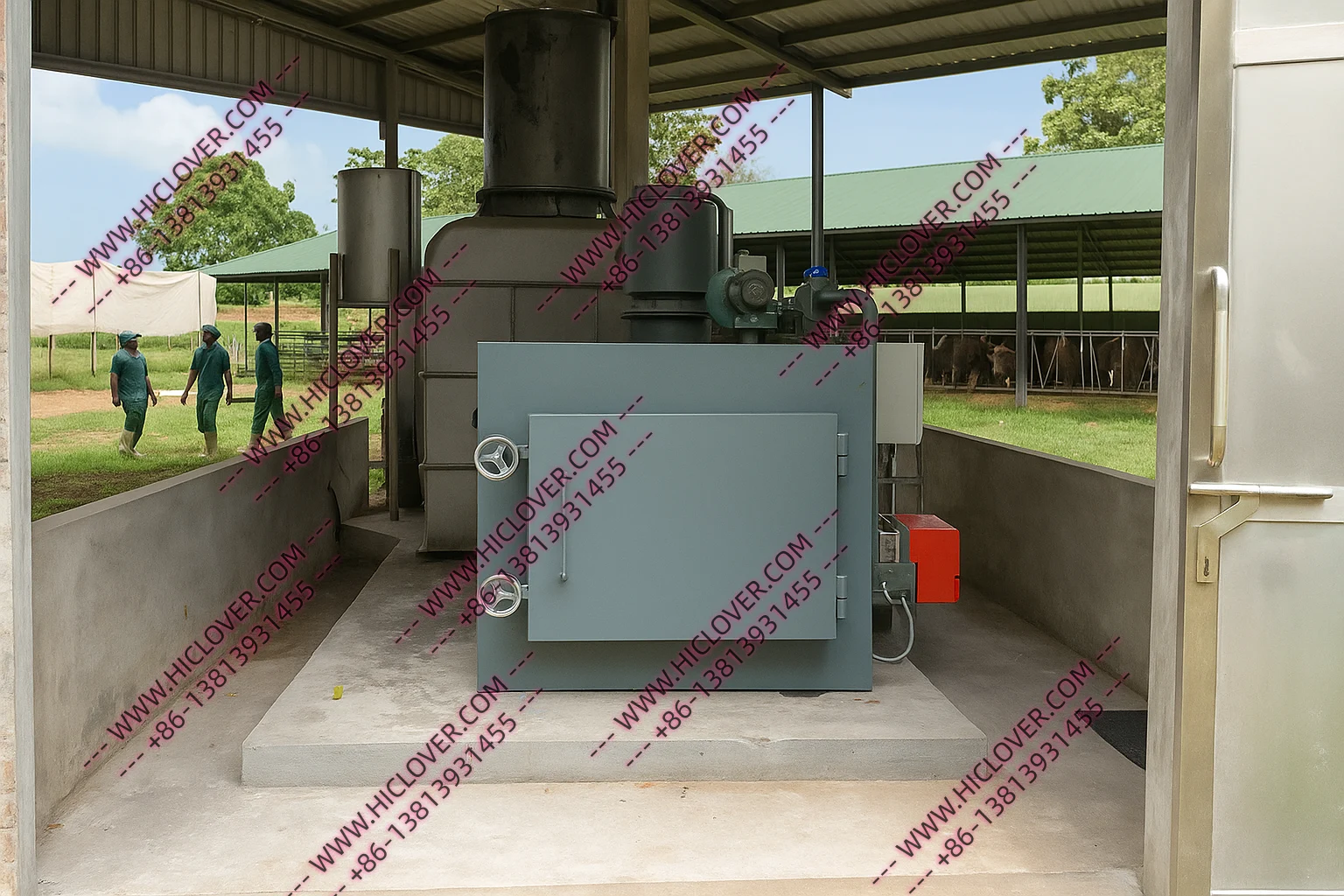
Modern waste incinerators have evolved through rigorous engineering and the adherence to international standards. At the core, these systems rely on precise combustion principles which require maintaining controlled operational temperatures – often ranging between 850°C to 1200°C – to meet technical temperature standards and ensure complete waste decomposition. The dual combustion chambers enable enhanced temperature retention and minimize toxic emissions, which is critical when handling medical waste or hazardous materials encountered in **Gabon hazardous wastes incinerator** applications. Additionally, safety and environmental compliance is further reinforced through integration of features such as PLC automation and advanced scrubber options, whether dry or wet.
Engineers are particularly attentive to regulatory references such as WHO guidelines and EU emission frameworks, ensuring that the incineration process meets global mandates. Moreover, comparisons between fixed and containerized incinerator systems illustrate that mobile, plug-and-play designs, such as those seen in **Mozambique mobile waste to energy china** projects, provide additional flexibility, especially in remote mining/oil camps and decentralized waste management scenarios. For detailed engineering insights and to explore factory manufacturing capabilities, please visit HICLOVER Website. As environmental standards tighten amidst ESG compliance and digital automation in industrial equipment, global infectious disease preparedness and crisis zones further emphasize the demands for reliable and efficient waste treatment solutions.
The interplay of technology such as **low-cost medical waste incinerator** designs and enhancements in **pet incineration equipment** underscores the versatility of modern systems. Such designs are particularly appealing to industries in regions requiring agile incinerator installation and reliable supply chain resilience.